CRM • Marketing Automation • AI

Adam G Brown Transforming businesses through intelligent technology

Global CRM & Loyalty leader with 16+ years driving customer engagement across Energy, Travel, Retail, and Giga-Projects. Salesforce World Tour keynote speaker and author of Always-On Marketing.

Building the Future of Customer Engagement

With 16+ years of global leadership in loyalty, CRM, and data-driven customer engagement, I help organisations unlock the full potential of their customer data and digital infrastructure — from strategy through to execution at scale.

My career started in system and database development in 1995, where I learned BASIC, VB, VBA, VB.NET, HTML, JavaScript, SQL and PL/SQL before transitioning into CRM in 2014. Since then I have worked across DotDigital, Unica, Silverpop, Mailchimp, HubSpot, SAP and latterly specialised in Salesforce Marketing Cloud. I’ve led CRM and loyalty strategies for organisations including NEOM, Flight Centre Travel Group, The Body Shop International, Vueling Airlines and IAG Loyalty (Avios) — managing teams across the UK, Spain, France, Italy, Australia, New Zealand, USA, Canada, South Africa, UAE, and Saudi Arabia.

I’m a published author of Always-On Marketing — a Practical Playbook to using AI for CRM, a regular speaker on AI and automation in CRM, and delivered the Marketing Cloud keynote at the 2024 Salesforce Dubai World Tour. My work has generated over €30m in incremental revenue across my career, and I’m passionate about building the next generation of intelligent, customer-first experiences.

16+ Years in CRM & Loyalty
12+ Countries Led
€30m+ Incremental Revenue
5 Industries Served

Career Timeline

Sept 2022 – Present

CRM & Marketing Automation Function Owner

NEOM

Built and owned the multi-brand CRM framework across 15 propositions for the $500bn Saudi giga-project. Contributed to over $7bn in new investment, designed and deployed the CDP, and grew the first-party database by 30%. Delivered AI masterclasses to the wider MarComms community.

Oct 2019 – Aug 2022

Global Head of CRM

Flight Centre Travel Group

Led CRM strategy and execution across four continents during one of the travel industry’s most challenging periods. Rolled out Salesforce Marketing Cloud globally and doubled CRM ROI.

Oct 2018 – Oct 2019

Head of Franchise Loyalty & CRM (EMEA)

The Body Shop International

Owned loyalty and CRM across 35 franchise markets in EMEA. Generated €24m in incremental revenue and launched the Love Your Body Club in Saudi Arabia and the UAE.

Jun 2016 – Sept 2018

Head of Loyalty & CRM

Vueling Airlines / IAG

Created and launched the Vueling Club loyalty programme from scratch, delivering €6.5m in incremental loyalty revenue for the airline.

Oct 2014 – Jun 2016

Senior Technical CRM Manager

Avios Group / IAG Loyalty

Managed CRM for 8m+ global loyalty members across the Avios programme, reducing churn by 30% through data-driven lifecycle and engagement strategies.

Core Competencies

Loyalty Strategy
CRM Strategy
Marketing Automation
AI & Machine Learning
Salesforce Marketing Cloud
HubSpot
CDP & Analytics
Lifecycle Design
Multi-Market Leadership
Revenue Growth
Digital Transformation
Team Development
Governance
SQL & Data Architecture

Insights & Perspectives

Exploring the intersection of CRM innovation, marketing automation, and artificial intelligence.

Published Book

Always-On Marketing: A Practical Playbook to Using AI for CRM

AI has become the operating system of modern CRM. Always-On Marketing shows leaders and practitioners how to move from pilots to a measurable, governed engine — combining predictive models, generative creative, and policy-bound agents. Ship more personalised journeys with fewer handoffs, improve ROI with causal testing and LTV-driven budgeting, and scale safely via ethics, governance, and instant rollbacks.

Available Now Buy on Amazon →
Speaking

Salesforce Dubai World Tour 2024 — Marketing Cloud Keynote

Delivered the Marketing Cloud keynote at the 2024 Salesforce World Tour in Dubai, sharing how AI and automation are reshaping CRM strategy at enterprise scale.

2024 Keynote
AI Masterclass

AI for MarComms — NEOM Internal Masterclass Series

Regular masterclass sessions delivered to the wider NEOM Marketing & Communications community, covering practical applications of AI in CRM, content generation, and customer journey automation.

Ongoing Masterclass
Career Highlight

Creating & Launching the Vueling Club Loyalty Programme

Built the Vueling Club loyalty programme from the ground up for the IAG-owned low-cost carrier, delivering €6.5m in incremental loyalty revenue and establishing a new revenue channel for the airline.

2016–2018 Case Study

What I'm Building

A portfolio of products and applications spanning fintech, lifestyle, AI, and utilities.

Emerald Finance app screenshot showing portfolio tracking
Fintech

Emerald Finance

An all-in-one finance tracker and taxation planner. Emerald Finance provides a single portal to track all your assets — Cash, Equity, Pension, Commodities, Crypto, Liabilities and Real Estate — with projection capabilities, multi-currency support (GBP, USD, AUD, NZD, CAD, JPY, EUR) and tax summaries for multiple jurisdictions (UK, US, CAN, AUS, NZ).

FinanceTax PlanningMulti-CurrencyProjections
Visit App →
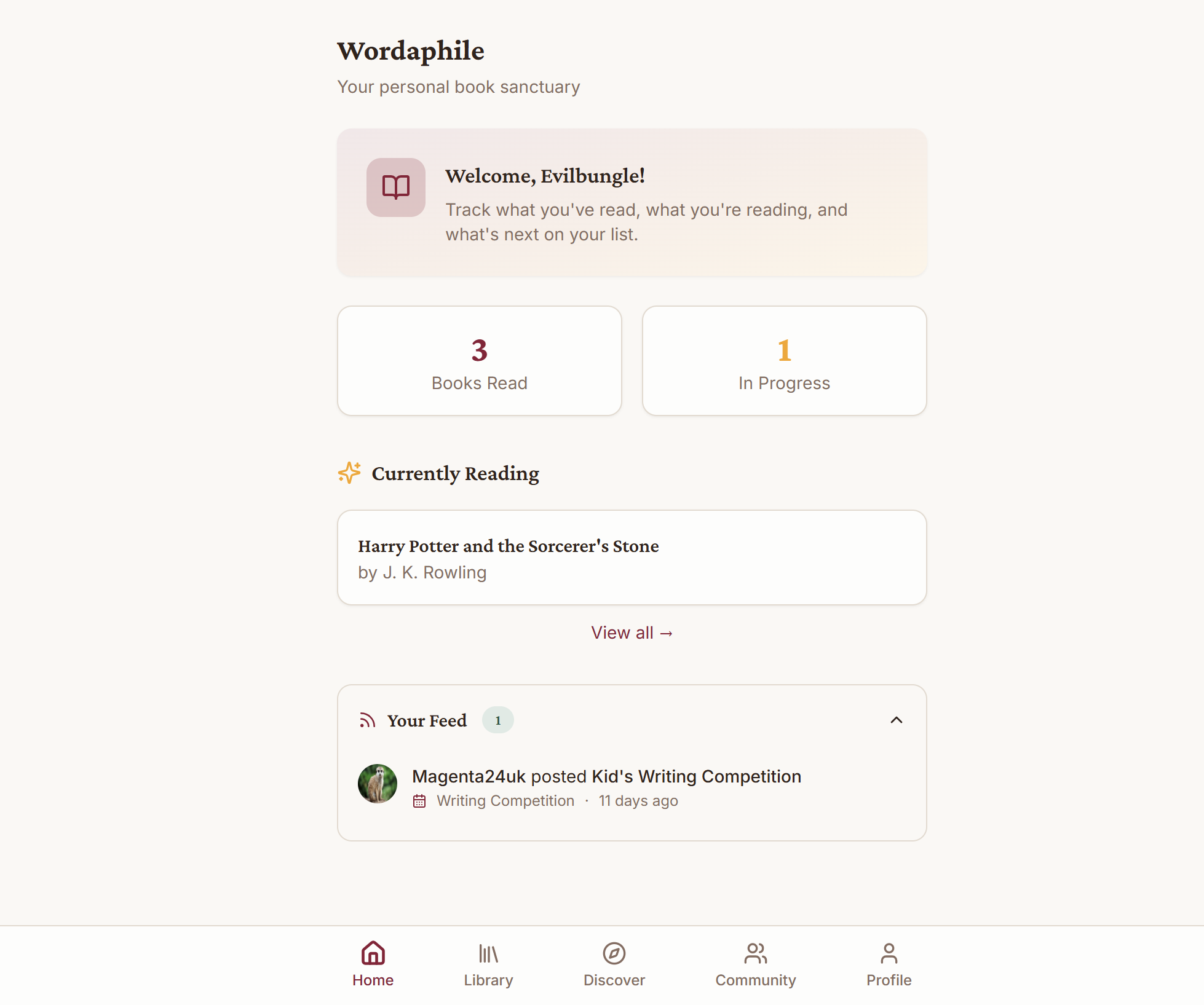
Wordaphile app screenshot showing book tracking interface
Lifestyle

Wordaphile

The online app for people who love books. Wordaphile lets you track and review what you’ve read, connect with other readers, and advertise books, magazines, book-related events (meet-ups, book clubs, book fairs, writers’ retreats) and companies (publishers, bookshops, agents) — all in a single community-driven interface.

BooksCommunityEventsApp
Visit App →
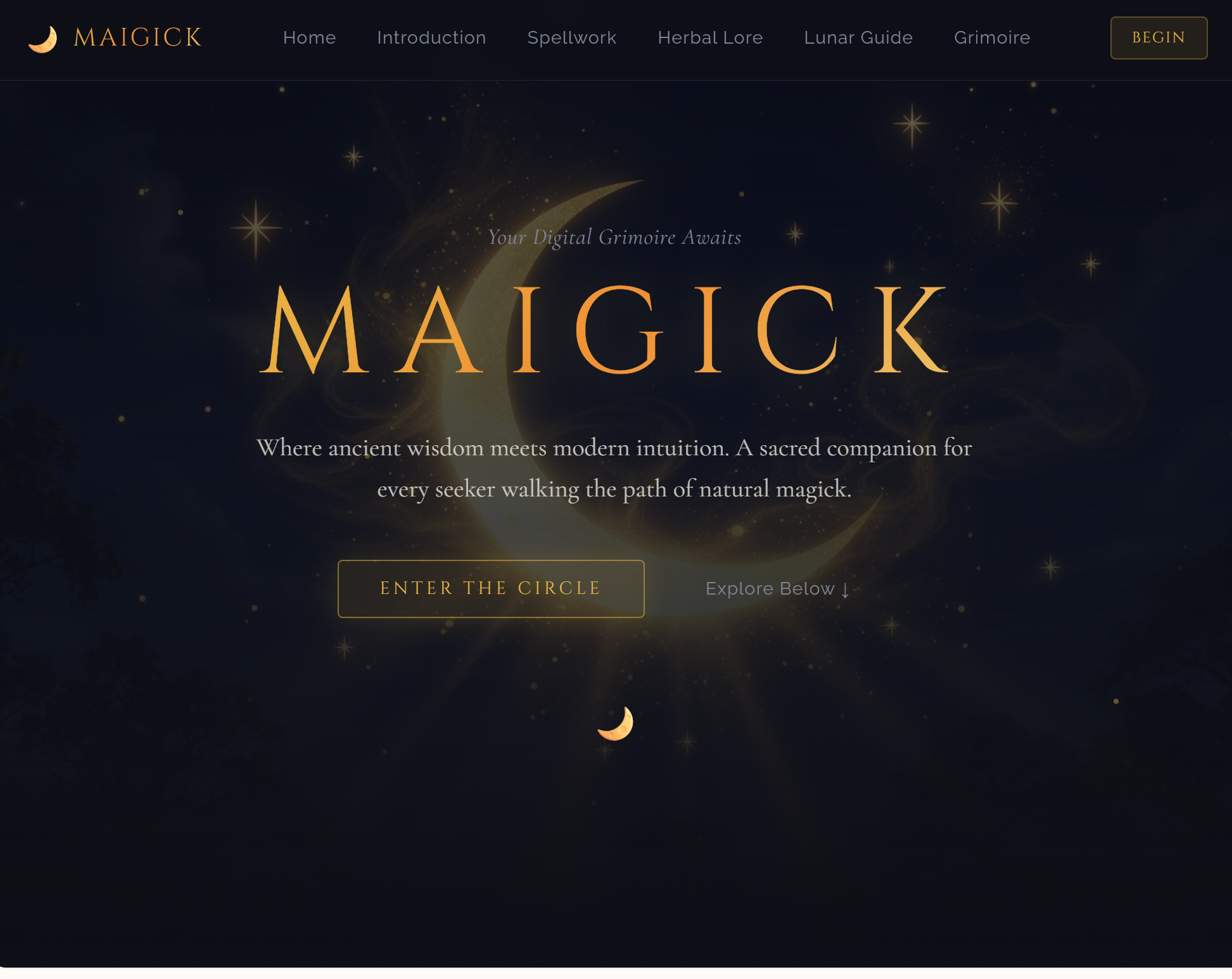
Maigick app screenshot showing digital grimoire interface
AI

Maigick

An LLM trained on Wicca and modern pagan knowledge, built exclusively for the craft community. Practitioners can use the AI to get advice, tips and spells, and save them into a personal digital grimoire to further their studies into Wicca, spellcraft, herbology and lunar guidance.

AI / LLMWiccaGrimoireCommunity
Visit App →
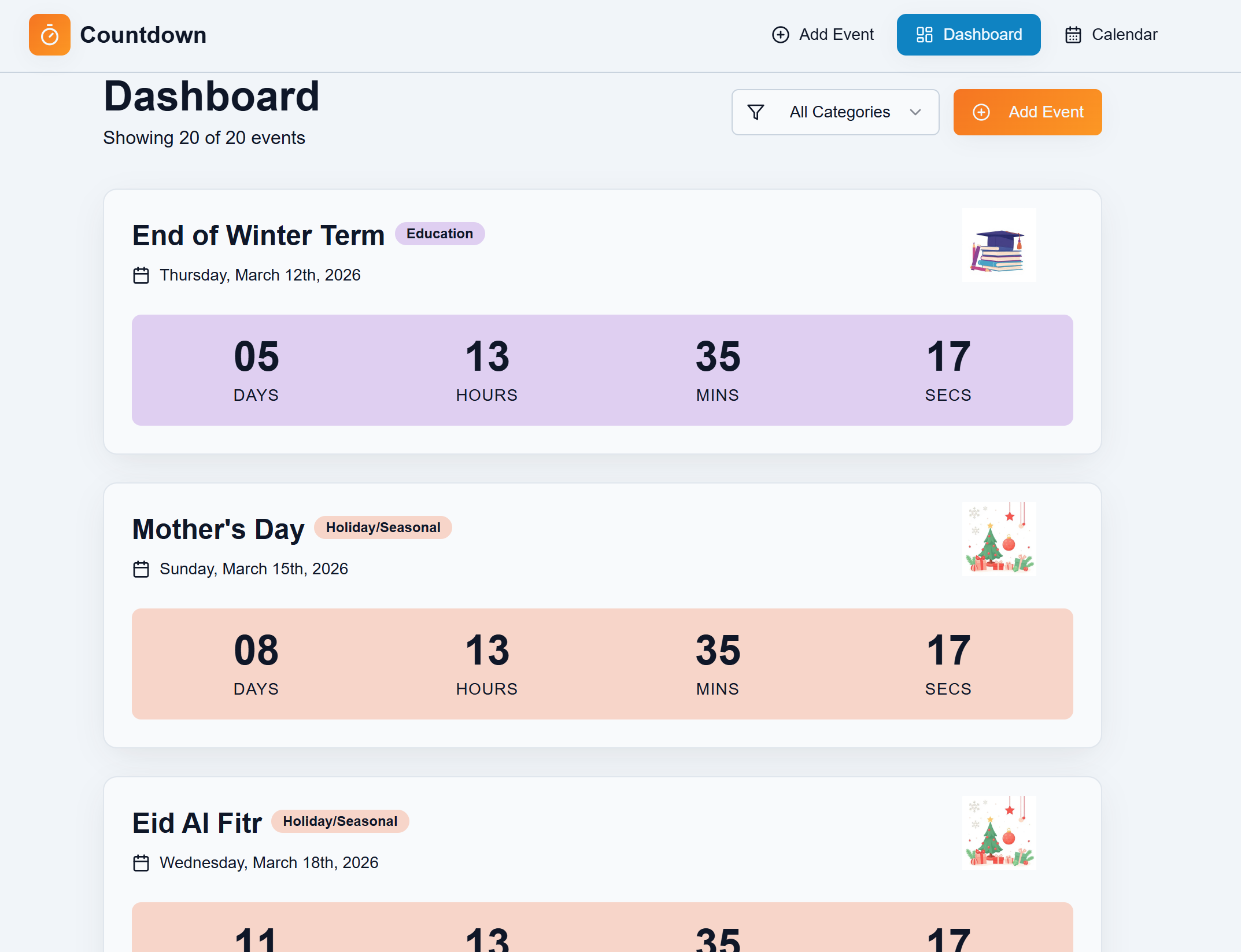
Countdown app screenshot showing event timers dashboard
Utility

Countdown Tracker

A simple countdown app that lets you add events, times and categories to create live countdowns. View in Dashboard or Calendar mode and filter by categories. Built using a vibe coding tool during a live AI course — conceptualised, planned and built in a combined 4 minutes as a showcase of how accessible coding has become.

Web AppUtilityVibe CodedTimer
Visit App →

Articles

Original articles on CRM, AI, and the future of marketing technology.

CRM

CRM Trends and Innovation in 2026: From SaaS Platforms to AI-Powered Ecosystems

AI is transforming CRM from static SaaS platforms into dynamic, intelligent ecosystems built around automation, agents, and custom applications.

AI

Latest Artificial Intelligence Breakthroughs: From Knowledge Tools to Intelligent Collaborators

Rapid AI breakthroughs are reshaping technology, work, and knowledge, moving society from storing information to collaborating with intelligent systems.

MarTech

The Evolution of Marketing Technology: From Standalone Tools to Intelligent, Integrated Workflows

Marketing technology is evolving from isolated tools into integrated, AI-driven ecosystems that deliver seamless, personalised experiences across every channel.

CRM

CRM Trends and Innovation in 2026: From SaaS Platforms to AI-Powered Ecosystems

For more than two decades, Customer Relationship Management (CRM) systems have been the backbone of modern marketing, sales, and customer service. From early database-driven tools to sophisticated cloud platforms like Salesforce, HubSpot, and Microsoft Dynamics, CRM systems have helped organisations centralise customer data, automate communication, and measure performance across the customer lifecycle.

However, the CRM landscape is undergoing one of the most significant transformations in its history. The rise of artificial intelligence, large language models, and generative development tools is beginning to challenge the traditional Software-as-a-Service (SaaS) model that has dominated CRM for the last fifteen years. As we move through 2026, the question is no longer simply how AI can enhance CRM platforms, but whether the very concept of a single, monolithic CRM application may eventually be replaced by something far more dynamic.

The Traditional CRM Model

Historically, CRM systems evolved through three key stages.

The first generation focused on data storage and contact management, enabling organisations to store information about customers, prospects, and transactions in structured databases.

The second generation introduced cloud-based SaaS platforms, allowing businesses to access CRM functionality via web-based software rather than on-premise installations. This dramatically lowered the cost of adoption and enabled companies of all sizes to benefit from enterprise-grade customer management tools.

The third stage introduced automation and marketing technology integration. Platforms expanded to include campaign orchestration, customer journeys, segmentation, and behavioural analytics. CRM systems became the central hub connecting email marketing, websites, advertising platforms, and service channels.

Yet despite these advancements, traditional CRM systems still rely heavily on manual configuration and human-led processes. Businesses must design journeys, define segments, build campaigns, and create reports. Even with automation, the system is largely reactive.

The AI Acceleration

The introduction of large language models and generative AI has fundamentally changed this dynamic.

Rather than simply storing and processing data, modern CRM systems are beginning to interpret, predict, and act on customer behaviour in real time.

AI can now analyse large volumes of behavioural data and automatically identify patterns such as customers likely to churn, products likely to be purchased next, optimal timing for outreach, and sentiment changes across communication channels.

In practical terms, this means CRM is evolving from a record system into a decision system.

For marketers and sales teams, AI-powered CRM tools can already assist with tasks such as generating campaign content, predicting lead quality, recommending cross-sell opportunities, and even automatically building segmentation models.

In customer service environments, AI agents can respond to queries, escalate complex issues, and continuously learn from previous interactions.

But these capabilities are only the beginning.

From Automation to Autonomous Systems

One of the most significant shifts currently underway is the movement from traditional workflow automation toward autonomous AI agents.

Where a typical CRM workflow might require a marketer to build a sequence of triggers and rules, AI agents can instead monitor data streams continuously and take action when certain conditions emerge.

For example, an AI-driven CRM system might detect that a previously engaged customer has stopped interacting with emails, analyse their past purchase behaviour, generate a tailored retention offer, and deploy the communication across multiple channels automatically — all without human intervention.

In this sense, the CRM of the future may function less like software and more like a network of intelligent assistants operating on behalf of the business.

The Challenge to the SaaS Model

This shift raises an important question about the future structure of CRM platforms.

Traditional SaaS CRM systems are designed as large, centralised platforms with predefined modules — sales pipelines, marketing journeys, service case management, and analytics dashboards.

But AI development tools are rapidly lowering the barriers to building software. Tools that combine natural language interfaces with code generation can now create functional applications in minutes. Businesses can describe the functionality they want, and the AI writes the code, connects APIs, and deploys the system.

As a result, some organisations are beginning to experiment with a different approach. Instead of adapting their processes to fit a CRM platform, they are building custom connected applications tailored to their specific workflows, using AI-assisted development environments.

A Future of Composable CRM

This trend is leading toward what some analysts are calling composable CRM.

In a composable model, the CRM function is not delivered by one piece of software. Instead, it emerges from a collection of specialised services connected through APIs and coordinated by AI agents.

Customer data may reside in a cloud data platform or customer data platform (CDP). Marketing communications may be delivered through specialist messaging tools. Service interactions might run through conversational AI interfaces.

The glue connecting these elements is not a traditional application interface, but an AI layer capable of orchestrating actions across systems.

Always-On Customer Intelligence

Another defining feature of next-generation CRM is the move toward continuous customer intelligence.

Traditional CRM reporting is often retrospective. Marketers review dashboards, generate reports, and make decisions based on historical data.

AI-powered systems instead operate in real time, constantly analysing behavioural signals and adjusting engagement strategies accordingly. This transforms CRM from a system of records into a living system of engagement.

The Role of Humans in an AI-Driven CRM World

Despite these technological shifts, human expertise will remain essential.

AI can analyse patterns and automate actions, but strategic decisions — brand positioning, customer experience design, and ethical data use — still require human judgment.

In fact, as CRM systems become more automated, the role of marketing and customer experience professionals may shift toward designing the principles and guardrails that guide AI-driven engagement.

Conclusion

CRM systems have evolved dramatically over the past twenty years, but the next phase of innovation may be the most disruptive yet.

Artificial intelligence is not simply adding new features to CRM platforms — it is fundamentally redefining how customer relationships are managed, automated, and optimised.

The question for businesses in 2026 is not whether AI will shape the future of CRM, but how far that transformation will go. Will CRM remain a software platform, or will it become an intelligent network of connected applications and autonomous agents?
AI

Latest Artificial Intelligence Breakthroughs: From Knowledge Tools to Intelligent Collaborators

Artificial intelligence has progressed rapidly over the past decade, but the pace of change since the early 2020s has been unprecedented. What began as an emerging technology capable of generating text or images has evolved into a sophisticated ecosystem of reasoning models, intelligent agents, and autonomous systems capable of performing complex tasks.

As we move through 2026, artificial intelligence is no longer simply a tool for answering questions or generating content. It is becoming a collaborative technology capable of planning, coordinating, and executing work alongside humans.

The Timeline of Acceleration

While artificial intelligence research has existed for decades, the modern AI era truly accelerated in the late 2010s with the development of large language models and deep learning architectures.

The launch of advanced language models in the early 2020s demonstrated that AI could perform tasks previously considered uniquely human. Systems capable of writing essays, summarising documents, generating code, and answering complex questions quickly captured global attention.

However, these early models still had limitations. They could generate convincing responses but often lacked reliable reasoning abilities, long-term memory, and the ability to interact with external systems.

By the mid-2020s, AI models had significantly improved in three critical areas: reasoning capability, multimodal understanding, and tool usage. These advances moved AI from being a knowledge interface to becoming a problem-solving system.

The Rise of AI Agents

One of the most important breakthroughs in recent years has been the emergence of AI agents.

Traditional AI tools operate in a simple pattern: a user submits a prompt, and the system produces a response. The interaction is transactional and short-lived.

AI agents operate differently. They are designed to pursue goals over time, coordinating multiple actions to achieve a desired outcome. Rather than simply producing outputs, the agent becomes an active participant in the workflow.

This shift from static responses to goal-driven behaviour marks one of the most significant changes in the evolution of artificial intelligence.

Networks of Agents

The next stage of development goes even further. Instead of a single AI system performing all tasks, researchers and developers are increasingly building networks of specialised agents.

Each agent is designed to perform a specific function — research, coding, analysis, communication, or decision-making. These agents can collaborate, sharing information and coordinating actions.

This model mirrors the structure of human organisations, but operates at a far greater speed and scale.

The Impact on Software Development

One of the industries most dramatically affected by these breakthroughs is software development.

AI coding assistants have progressed from simple code suggestions to full development environments capable of building entire applications from natural language descriptions.

This capability is dramatically lowering the barrier to building software. Tasks that previously required teams of engineers can now be accomplished by individuals working alongside AI development tools.

The Changing Nature of Expertise

These developments raise an important question about the future role of knowledge itself.

If AI systems can access and synthesise the combined knowledge of vast digital libraries, academic research, and real-time data sources, then knowledge itself becomes widely accessible.

In such a world, the critical skill may no longer be how much you know, but how effectively you can work with knowledge.

This shift mirrors earlier technological transitions. Calculators did not eliminate mathematics but changed how mathematical work was performed. The internet did not remove the value of information but transformed how information was accessed and applied.

From Knowledge Ownership to Knowledge Collaboration

The emerging paradigm suggests a future where humans and AI systems collaborate to interpret and apply information.

Professionals may increasingly act as directors of intelligent systems, guiding AI agents, defining objectives, and interpreting outcomes.

The value of human expertise may shift toward critical thinking, ethical judgment, strategic decision-making, and creativity and innovation.

A Question for the Future

Artificial intelligence continues to evolve at a remarkable pace, and predicting its long-term trajectory remains difficult.

However, if the combined knowledge of humanity becomes instantly accessible through intelligent systems, then the competitive advantage may no longer lie in possessing knowledge. Instead, the defining skill of the future may be how effectively we work with knowledge.

The coming years may reveal whether artificial intelligence simply enhances human capability, or fundamentally reshapes the way humans think, learn, and create.

MarTech

The Evolution of Marketing Technology: From Standalone Tools to Intelligent, Integrated Workflows

Marketing technology has undergone a remarkable transformation over the past two decades. What began as a collection of isolated digital tools has gradually evolved into a complex ecosystem designed to support increasingly sophisticated customer engagement strategies.

As we move further into the mid-2020s, a new phase of marketing technology evolution is emerging. The focus is shifting away from standalone platforms toward fully integrated marketing workflows, where systems, data, and automation work together to deliver seamless, personalised customer experiences across multiple channels.

The Early Marketing Technology Landscape

In the early stages of digital marketing, organisations typically relied on individual tools to manage specific tasks. Email marketing platforms were used to send campaigns. Customer databases stored contact information. Content management systems powered websites. Advertising platforms managed digital media buying.

While each of these tools served an important purpose, they rarely communicated effectively with one another. Marketers often had to manually move data between systems, reconcile reports, and coordinate campaigns across multiple platforms.

The Shift Toward Integration

Over time, businesses began recognising that the true value of marketing technology lies not in individual tools but in how those tools work together.

Customer data platforms (CDPs), APIs, and cloud infrastructure enabled systems to share data more effectively. Marketing automation platforms evolved to support complex journey orchestration.

Yet even with these improvements, many marketing operations remain constrained by organisational structures — campaigns are often built around internal processes rather than around the needs and behaviours of customers.

From Campaigns to Customer-Centric Workflows

The emerging model of marketing technology is shifting focus away from traditional campaigns and toward customer-centric workflows.

Instead of designing a marketing campaign and then delivering it across channels, organisations are increasingly building systems that respond dynamically to customer behaviour. In this model, marketing workflows operate continuously, adapting to real-time signals from customer interactions.

For example, a system might analyse browsing behaviour, purchase history, and engagement preferences, then automatically generate personalised creative assets, pass them through automated approval processes, and deliver content across email, social media, in-app notifications, and website banners simultaneously.

Creative Production as Part of the Workflow

One of the most significant innovations in modern marketing technology is the integration of creative production directly into marketing workflows.

Historically, content creation was often a bottleneck. With the introduction of AI-assisted creative tools, marketing platforms are beginning to incorporate content generation as part of the automation process itself.

Images, videos, copy, and layout variations can now be generated dynamically based on predefined brand guidelines and customer data. This allows marketing workflows to produce personalised content at a scale that would have been impossible just a few years ago.

Moving Beyond Channel-Centric Marketing

Another important shift is the move away from channel-centric thinking. Traditionally, marketing teams organised their activities around specific channels — email, social media, paid advertising, and website management.

Modern integrated marketing workflows instead focus on the customer journey, allowing the system to determine the most appropriate channel for each interaction. The goal is not simply to deliver messages across multiple channels but to create a coordinated, personalised experience that feels natural and relevant.

The Role of AI in Marketing Workflows

Artificial intelligence plays a crucial role in enabling these capabilities. AI models can process vast amounts of behavioural data and identify insights that would be difficult for human teams to detect.

As AI capabilities continue to improve, marketing technology platforms are increasingly incorporating intelligent agents capable of managing aspects of campaign execution, content generation, and performance optimisation.

Looking Ahead

As marketing technology continues to evolve, the distinction between tools, data, and processes may gradually fade. Marketing platforms are becoming ecosystems where content creation, customer intelligence, and multi-channel delivery operate as parts of a unified system.

For marketers, the challenge will no longer be managing individual tools but designing the workflows that connect them. Marketing technology is no longer simply about delivering messages — it is about creating systems that understand customers and respond intelligently to their needs.

Let's Connect

Interested in working together, discussing CRM strategy, or exploring AI possibilities? I'd love to hear from you.

Email

adam@adamgbrown.com

Location

United Kingdom